Sikkim Government Hub

The Sikkim Government Hub supports Sikkimese and their democracy by bringing together information, experts, organizations, policy makers, and the public to facilitate greater engagement in federal, state, and local politics and more civil, positive discussions and collaborations on important issues and governance.

Sikkim Government Hub is one of many state government hubs being launched next year by the nonpartisan, nonprofit onAir Networks.  Other state hubs will be discoverable in the future at the national India Government Hub.

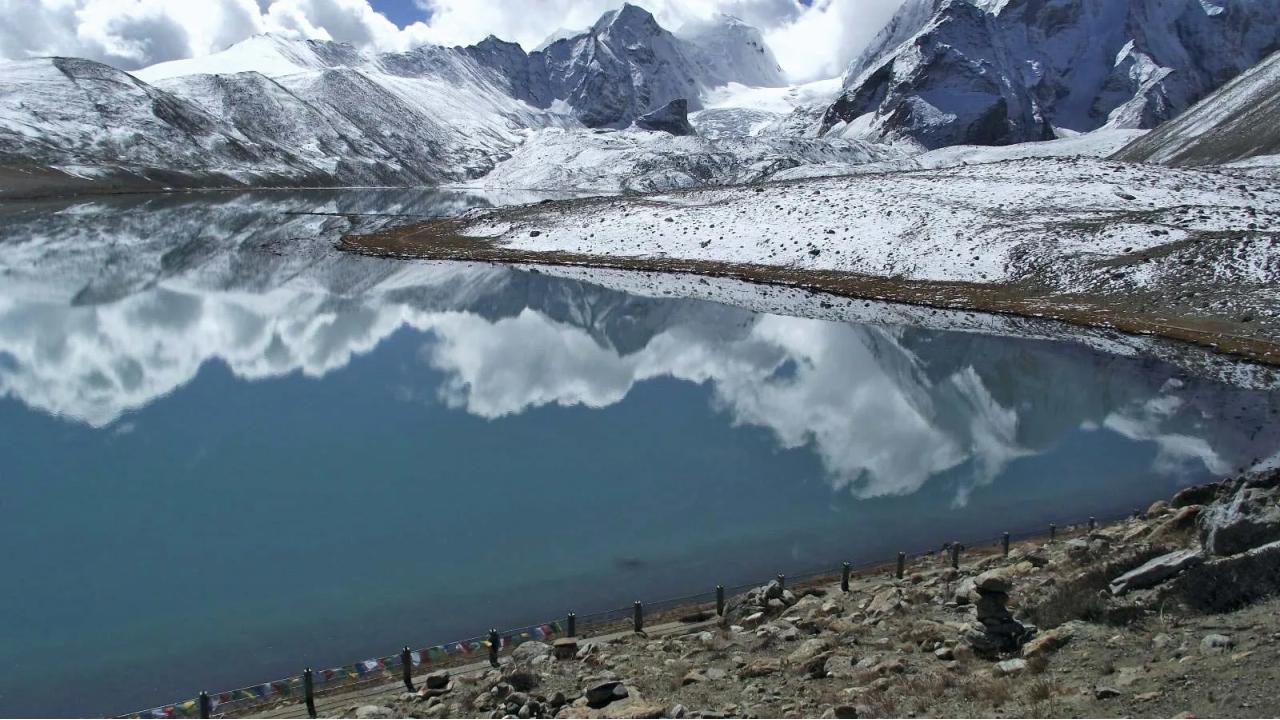
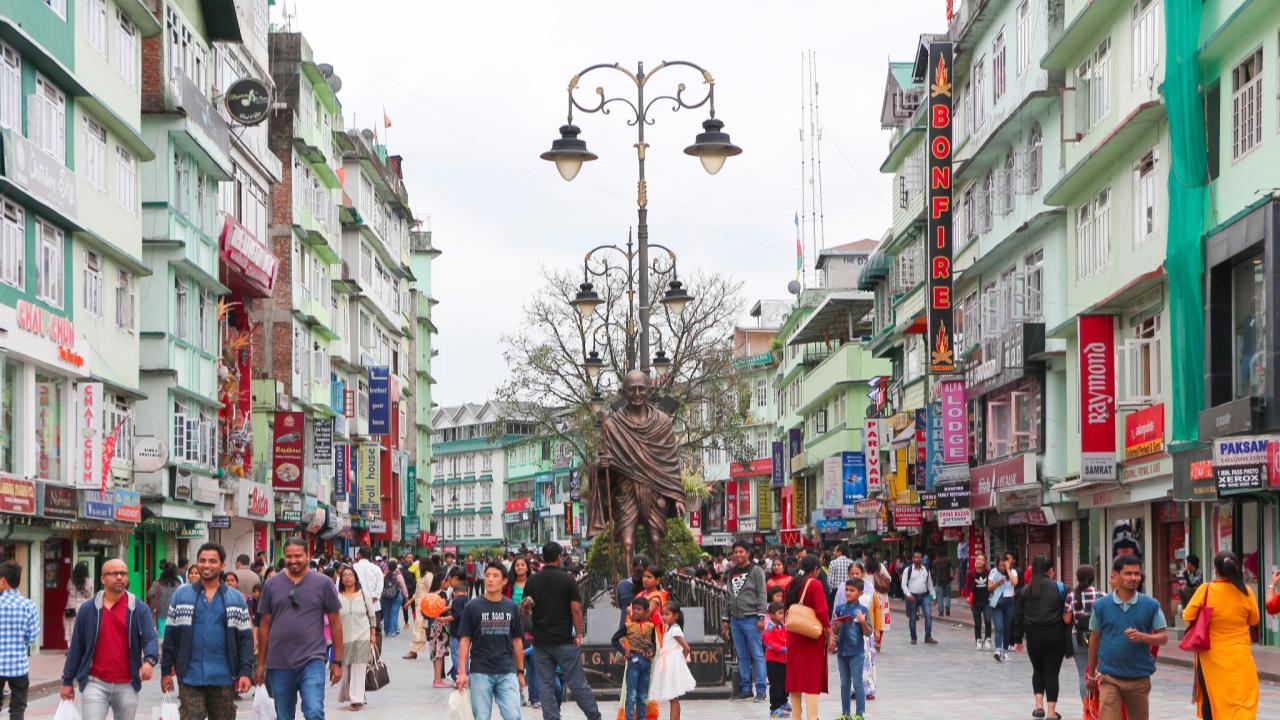
Sikkim is a state in northeastern India. It borders the Tibet Autonomous Region of China in the north and northeast, Bhutan in the east, Koshi Province of Nepal in the west, and West Bengal in the south. Sikkim is also close to the Siliguri Corridor, which borders Bangladesh. Sikkim is the least populous and second smallest among the Indian states. Situated in the Eastern Himalaya, Sikkim is notable for its biodiversity, including alpine and subtropical climates, as well as being a host to Kangchenjunga, the highest peak in India and third highest on Earth. Sikkim’s capital and largest city is Gangtok. Almost 35% of the state is covered by Khangchendzonga National Park – a UNESCO World Heritage Site.

OnAir Post: Sikkim Government Hub
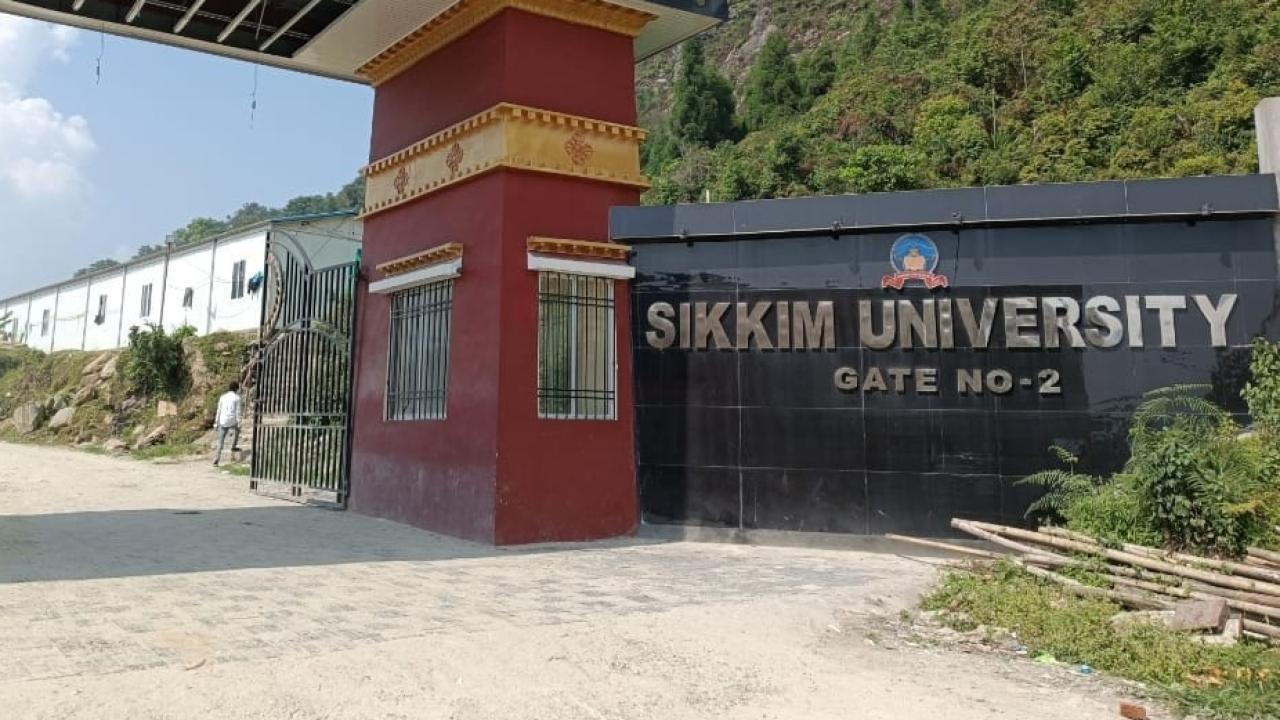
Sikkim University

Sikkim University is a central university established under an Act of Parliament of India. It is in Gangtok. The campus is expected to be built at Yangang in South Sikkim district, about 56 kilometres (35 mi) from Gangtok. Its first chancellor was M. S. Swaminathan; Mahendra P. Lama was the first vice chancellor.

In 2008 the university started from four departments — Social System and Anthropology; Peace and Conflict Studies and Management; International Relations/Politics; and Microbiology. The university offers traditional courses in humanities, physical and life sciences, and forestry along with non-traditional courses that are unique and related to the state including subjects like ethnic history, mountain studies, border studies, and hill music and culture.

All the colleges in the state of Sikkim are affiliated to this university.

OnAir Post: Sikkim University

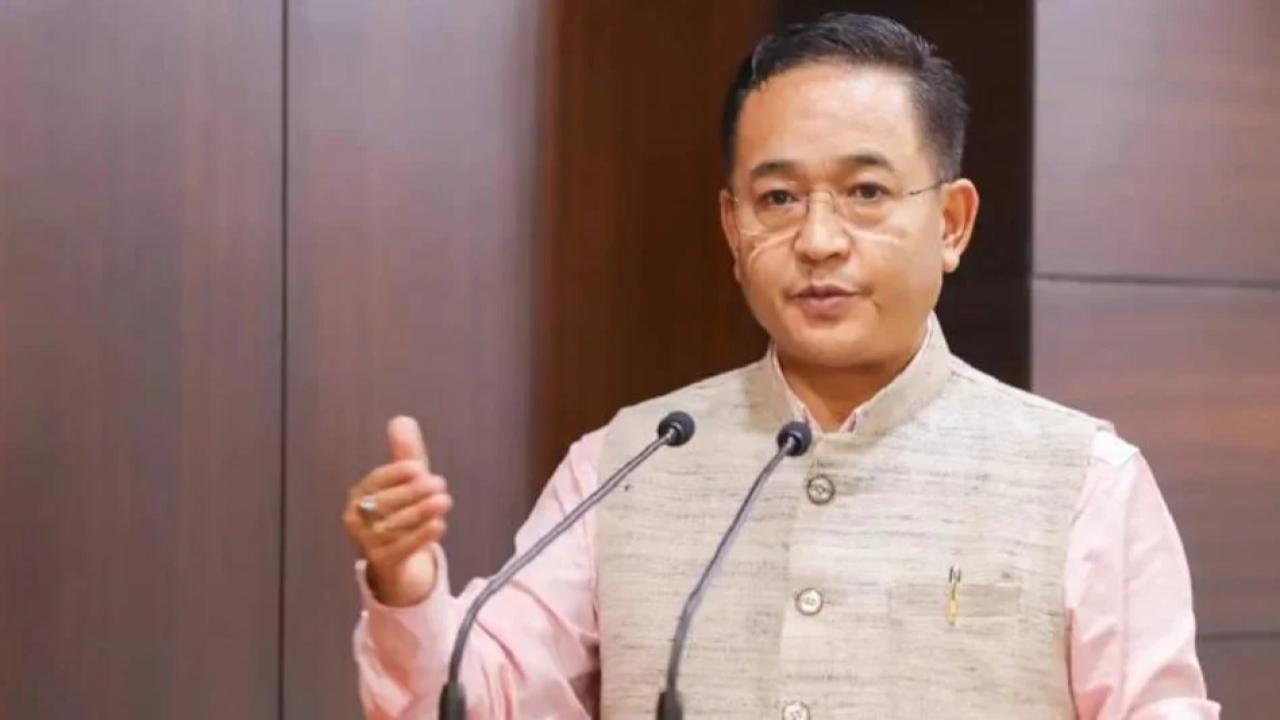
Prem Singh Tamang

Prem Singh Tamang, better known as P. S. Golay, is an Indian politician, and former teacher who is serving as the 6th and current Chief Minister of Sikkim since 2019 and the founder and leader of the Sikkim Krantikari Morcha (SKM) since 2019. He represents the Poklok-Kamrang in the Sikkim Legislative Assembly since 2019, Upper Burtuk from 2009 to 2019 and Chakung from 1994 to 2009. Before forming the SKM party, he was a key member of the Sikkim Democratic Front (SDF) Party.

OnAir Post: Prem Singh Tamang

Sikkim Legislative Assembly

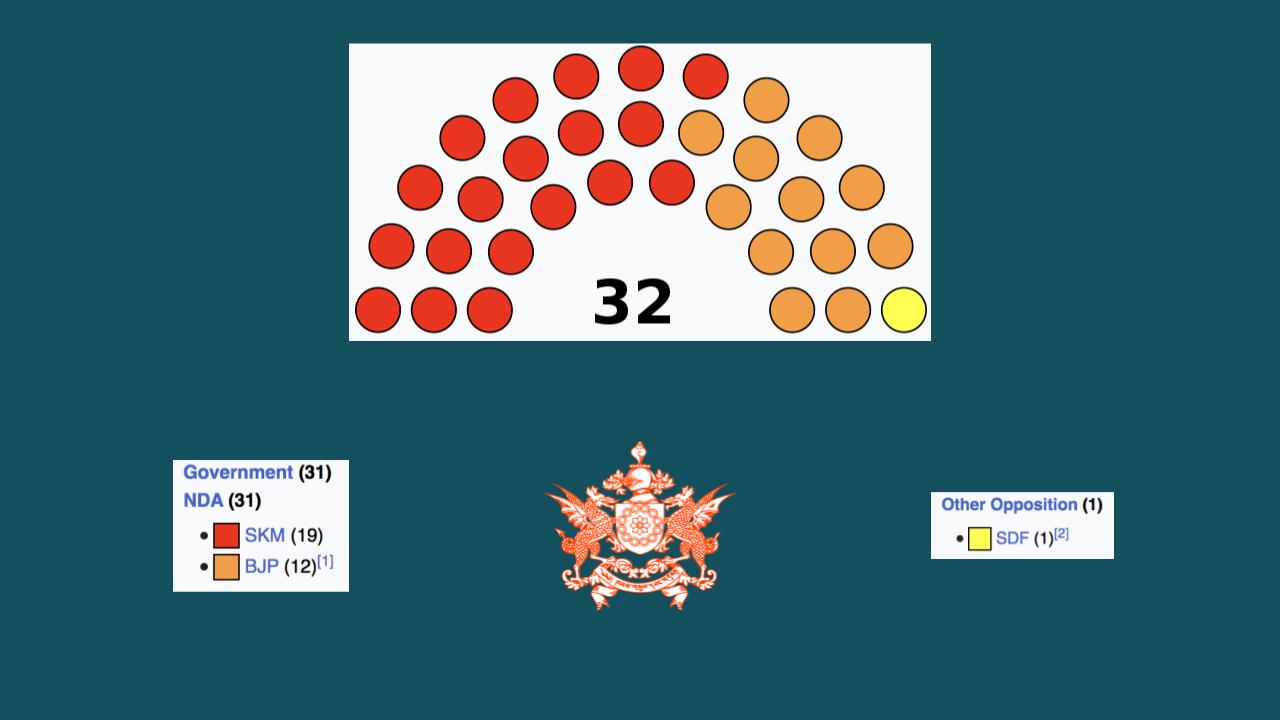
The Sikkim Legislative Assembly is the unicameral state legislature of Sikkim state in north-eastern India. The seat of the Legislative Assembly is at Gangtok, the capital of the Sikkim state.

OnAir Post: Sikkim Legislative Assembly

About Sikkim

Modern Sikkim is a multiethnic and multilingual Indian state. The official languages of the state are English, Nepali, Sikkimese, and Lepcha. Additional official languages include Gurung, Limbu, Magar, Mukhia, Newari, Rai, Sherpa and Tamang for the purpose of preservation of culture and tradition in the state. English is taught in schools and used in government documents. The predominant religions are Hinduism and Vajrayana Buddhism. Sikkim’s economy is largely dependent on agriculture and tourism. As of 2019, the state had the fifth-smallest GDP among Indian states, although it is also among the fastest-growing.

Sikkim achieved its ambition to convert its agriculture to fully organic between 2003 and 2016, and became the first state in India to achieve this distinction. It is also among India’s most environmentally conscious states, having banned plastic water bottles “in any government functions and meetings” and polystyrene products (throughout the state).

OnAir Post: About Sikkim

Skip to toolbar